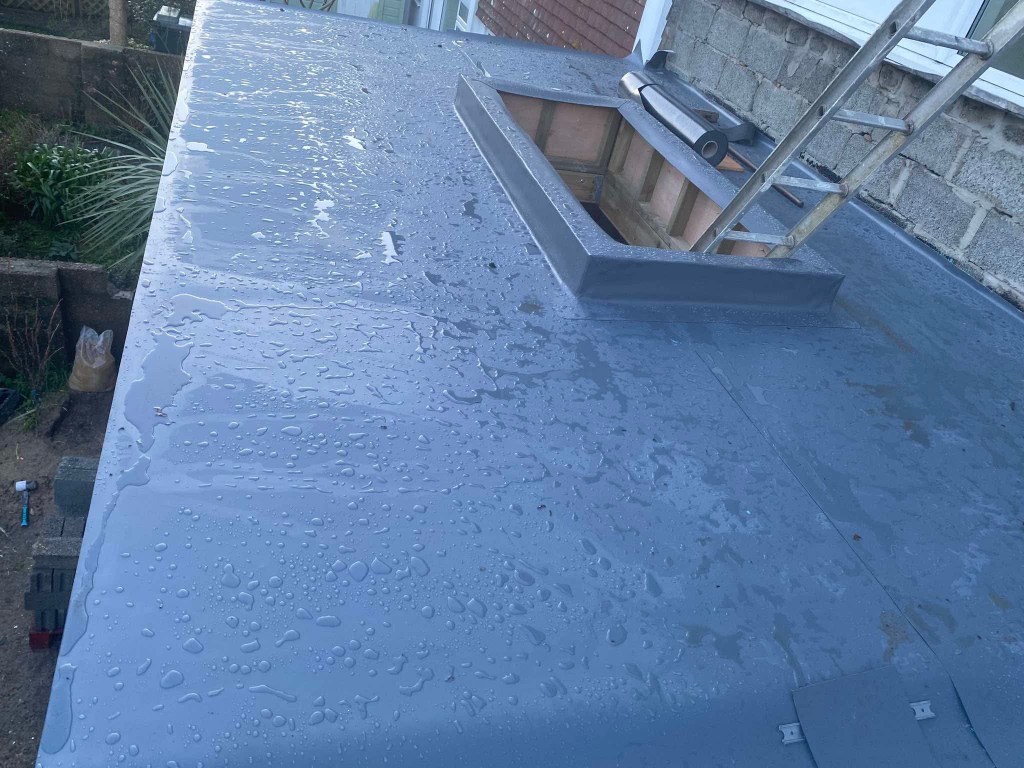
A breakthrough in the construction industry – flat roofs are no longer what they were a decade ago.
In recent years, the construction sector has witnessed an impressive evolution in the technology and materials used to construct flat roofs. As an experienced roofer, I’ve seen these changes up close and I’m enthusiastic about innovations that not only make the job easier, but also add value and longevity to final projects.
The new era of roofing membranes
At the forefront of this revolution are advanced roofing membranes such as TPO, EPDM and PVC, which are replacing traditional methods. These membranes offer incomparable flexibility, durability and weather resistance, making them the ideal choice for any roofing project.
TPO (thermoplastic polyolefin) is particularly prized for its energy efficiency. Its bright surface reflects the sun’s rays, helping to reduce air conditioning costs in the warm months. EPDM (ethylene propylene diene rubber), on the other hand, is renowned for its exceptional flexibility and longevity, even at extreme temperatures. PVC (polyvinyl chloride) leads the way in terms of chemical resistance, which is crucial on industrial roofs.
Thermal insulation for the 21st century
Innovations also extend to insulation systems. High-performance insulation materials, such as polyurethane and polyisocyanurate (PIR) foams, not only increase the energy efficiency of a building, but also contribute to better sealing. These lightweight but durable materials allow for easy application and work well with modern roof membranes.
Green roofs – more than fashion
Green roofs have ceased to be just an architectural trend and have become an important part of sustainable urban development. The integration of green roof systems with modern roof membranes creates spaces that not only improve air quality and promote biodiversity, but also further insulate the building, reducing energy demand.
Technology at the forefront of quality
Modern technologies such as digital building information modelling (BIM), roof inspection drones and advanced design software allow roofers to accurately plan and monitor every stage of their work like never before. This not only increases efficiency and reduces project times, but also allows for early detection of potential problems, significantly reducing the long-term cost of the roof.
Summary
As an industry, standing at the dawn of a new era of flat roofs, we are witnessing not only technological advances, but also a change in approach to roof design, implementation and maintenance. Modern materials and technologies are opening up possibilities that previous generations of roofers could only dream of. Thanks to them, flat roofs are becoming not only a practical, but also an aesthetic and ecological choice for modern construction.
 Amber Roofs