When it comes to replacing an old roof, one of the most common questions homeowners ask is:
“Should I go with traditional felt (bitumen) or invest in a modern roofing membrane?”
The short answer: in most cases, a membrane is the smarter, safer, and more cost-effective choice in the long run. Let’s break down why.
Durability and Longevity
Traditional felt/bitumen systems (often called “papa” in some regions) were widely used in the past. While they did their job for many years, they tend to age quickly, crack under temperature changes, and lose their waterproofing properties over time.
A high-quality single-ply membrane like Siltec is engineered to last decades. It resists UV rays, extreme weather, and mechanical stress far better than felt. That means fewer repairs and more peace of mind.
Speed of Installation
Bitumen felt usually requires multiple layers and hot work with burners, which is time-consuming and sometimes risky.
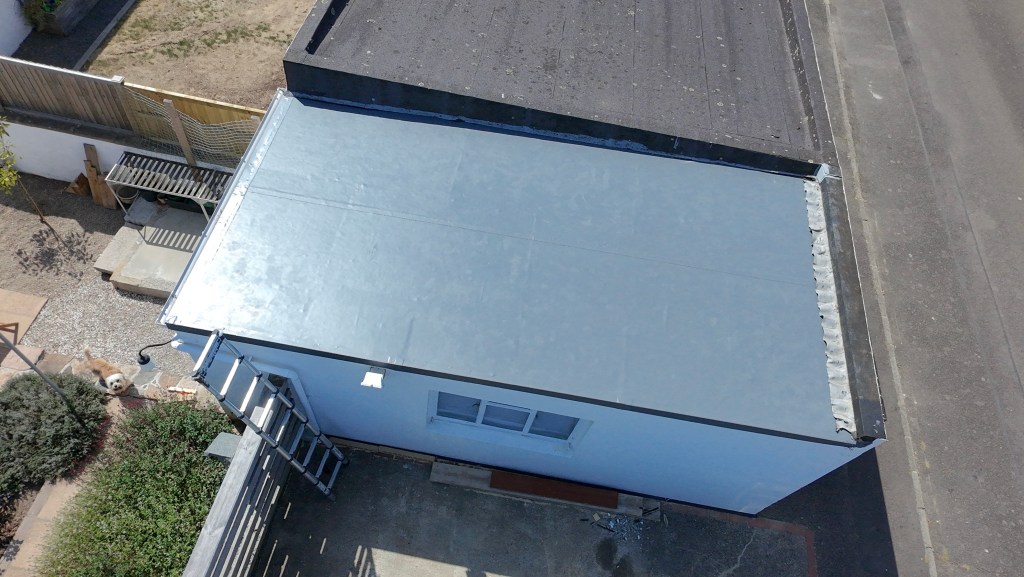
Membrane roofing systems are faster and safer to install. For example, we recently replaced a 26 m² asbestos roof with a Siltec membrane in just 2 days – something that would have taken much longer with felt. Speed matters, especially when bad weather is on the horizon.
Safety and Environmental Factors
Traditional bitumen often involves hot-applied techniques that pose a fire hazard and release fumes during installation.
Membrane systems, by contrast, use modern, flame-free methods. Not only does this reduce risk, but it’s also a cleaner, more environmentally friendly process. Plus, most membranes are recyclable and contribute to sustainable building practices.
Waterproofing That Actually Lasts
One of the biggest frustrations with bitumen is its tendency to develop cracks and leaks over time. Once water finds its way in, damage spreads quickly.
A membrane, however, is designed to stay fully watertight. It provides a seamless, continuous barrier against rain, snow, and standing water. With proper installation, you won’t have to worry about leaks for many years to come.
Energy Efficiency
Modern membranes can also help regulate indoor temperatures. Light-colored options reflect sunlight, keeping your home cooler in summer and reducing the need for air conditioning. This is an advantage bitumen roofing simply doesn’t offer.
Cost-Effectiveness Over Time
While the upfront cost of a membrane might be slightly higher than felt, the reduced maintenance, longer lifespan, and energy savings make it a more economical investment in the long term. Think of it as paying a little more now to save a lot later.
Final Thoughts
Switching from traditional bitumen felt to a modern single-ply membrane is more than just a trend – it’s the future of roofing. Homeowners benefit from:
- Faster, safer installations
- Longer-lasting protection
- Reduced maintenance costs
- Improved energy efficiency
And most importantly: peace of mind knowing your roof is built to protect, not fail.
If you’re considering a roof replacement, ask about membrane systems. As we’ve seen in our own projects, they don’t just cover your home – they add lasting value to it.
 Amber Roofs
Leave a comment